Washington DC
Washington DC
Community finance in the District: affordable housing programs, the local players, a history of nonprofit lending and veteran home repair help.
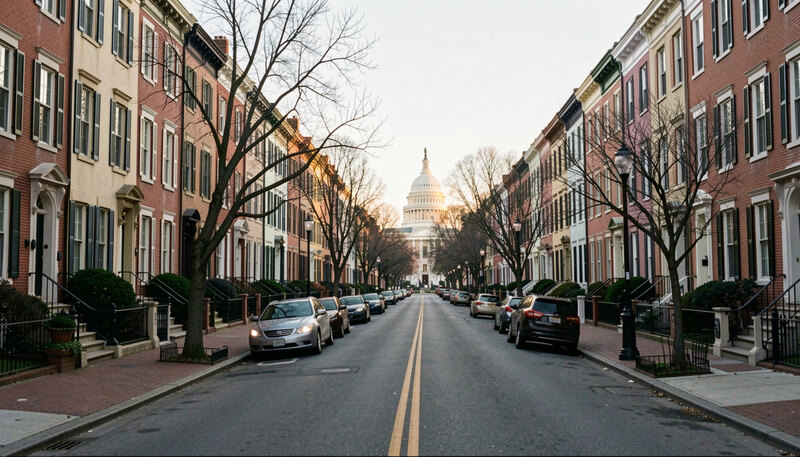
Washington DC runs one of the deepest local housing systems in the United States: a deed tax fed trust fund, a tenant purchase law older than most of its residents' leases, inclusionary units inside market rate towers, and a community finance tradition that stretches from the loan funds of the 1990s to today's certified lenders. This section maps that system for the people who use it, build with it and study it.
What does this section cover?
Three guides, each a different door into the same city. The first is practical: a tour of DC affordable housing programs, the Housing Production Trust Fund, the housing department's production and repair programs, inclusionary zoning, tenant purchase rights and the assistance a household can apply for directly. The second is historical: how community finance grew in the District, from the antipoverty years through the 1980 laws to the 1990s loan funds, one of which, Cornerstone, Inc., was hosted on this very domain. The third is specific to a group: home repair and modification programs for veterans, federal VA grants, nonprofit repair networks and the local District help around them.
Who is the section written for?
DC residents first, especially renters who receive a sale notice and have rights they may not know, and households trying to read an inclusionary listing or a repair program deadline. Nonprofit staff and volunteers second, who need to know which agency runs what and how trust fund money moves. Students of policy and planning third, for whom DC is a documented case of a city committing recurring local revenue to housing. Veterans and their families fourth, for the repair and adaptation programs collected in one place.
How should a reader use the guides?
By need. A household looking for help or a unit starts with DC affordable housing programs, which maps the agencies, the programs and the order of applications. A reader asking how this system came to exist, or researching the loan funds that financed supportive housing in the 1990s, reads the history of community finance in Washington DC. A veteran facing a failing roof or a needed ramp reads home repair programs for veterans, which lists the federal grants and the local windows and explains the paperwork sequence.
What makes DC different?
Three structural facts. The city dedicates a share of its real estate deed tax to housing production, so capital recurs without an annual fight, a design from 1988. Its tenant purchase law from 1980 converts tenants into buyers at scale, making preservation a legal right rather than a developer's choice. And its nonprofit and community finance ecosystem is unusually old and dense, so projects can be planned, financed and serviced inside city limits. The guides return to these three facts because every program in them is a consequence of one.
How does the section connect to the rest of the site?
The national guides supply the vocabulary these local pages use. Income bands, program families and waiting list mechanics are defined in what affordable housing is. The financing stack behind trust fund projects is walked through in how nonprofit housing projects are financed. The lenders in the District's story are defined in what a CDFI is and compared with banks in CDFIs versus banks. The organizing and investment tradition that produced the city's laws starts in the community development section and its companion, what community investment means.
Which local names should a reader recognize?
A few institutions recur across every DC conversation about housing money. DHCD, the Department of Housing and Community Development, runs production and repair programs and the trust fund's competitions. The housing authority, a separate agency, owns public housing and issues vouchers. Certified community development financial institutions, credit unions, loan funds and banks, supply the mission credit inside local projects. The continuum of care organizes homeless services funding. Nonprofit developers, some active for four decades, hold the pipeline. The guides name each in context, because a household or a project team that knows which door owns which question saves weeks.
Where should a reader start?
With the program tour, which is the page most questions answer to. It explains which agency owns which door, what the trust fund pays for, how inclusionary units are listed and lotted, and what a tenant association must do when a sale notice arrives. The history guide rewards the reader afterwards, because the programs read differently once their sequence is visible: a 1980 law, a 1988 fund, a 1994 federal certification regime, and a 2026 city still assembling all three into buildings.
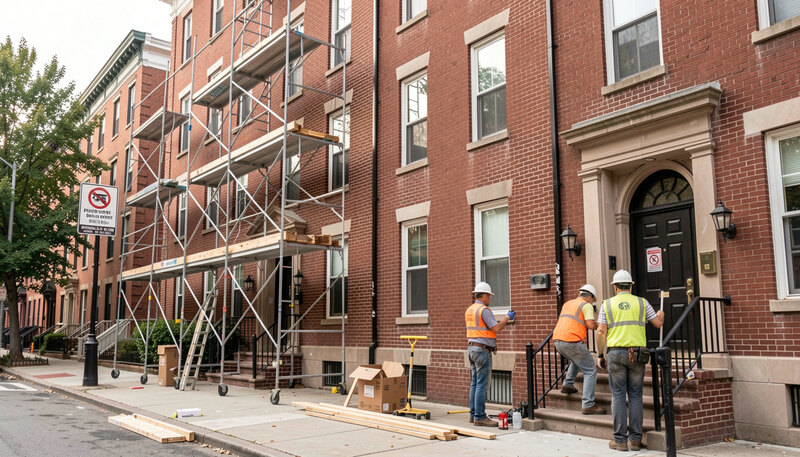
DC Affordable Housing Programs
A tour of Washington DC affordable housing tools: the Housing Production Trust Fund, DHCD programs, inclusionary zoning and tenant rights.
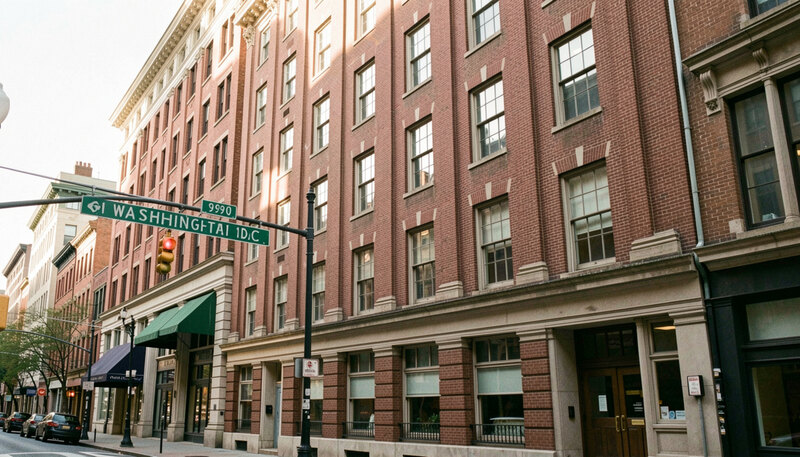
Community Finance in Washington DC: A History
How community lending grew in the District, from 1990s nonprofit loan funds like Cornerstone Inc. to today's CDFIs and housing trust tools.
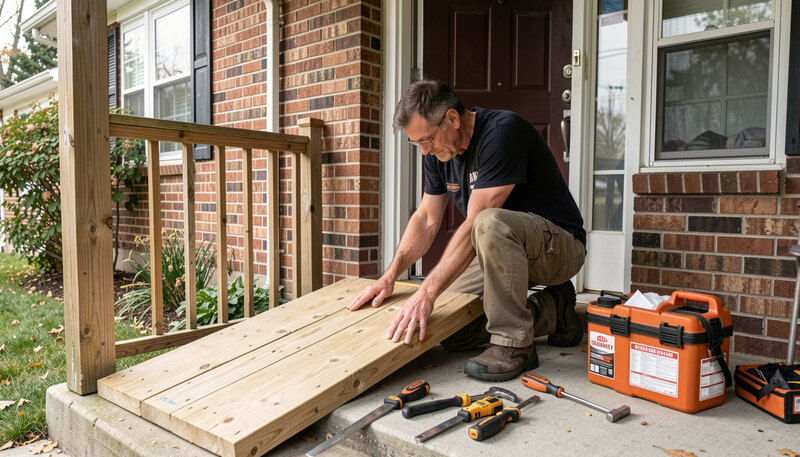
Home Repair Programs for Veterans
How veterans can fund home repairs and accessibility: VA adaptation grants, nonprofit repair programs, weatherization and local DC help.